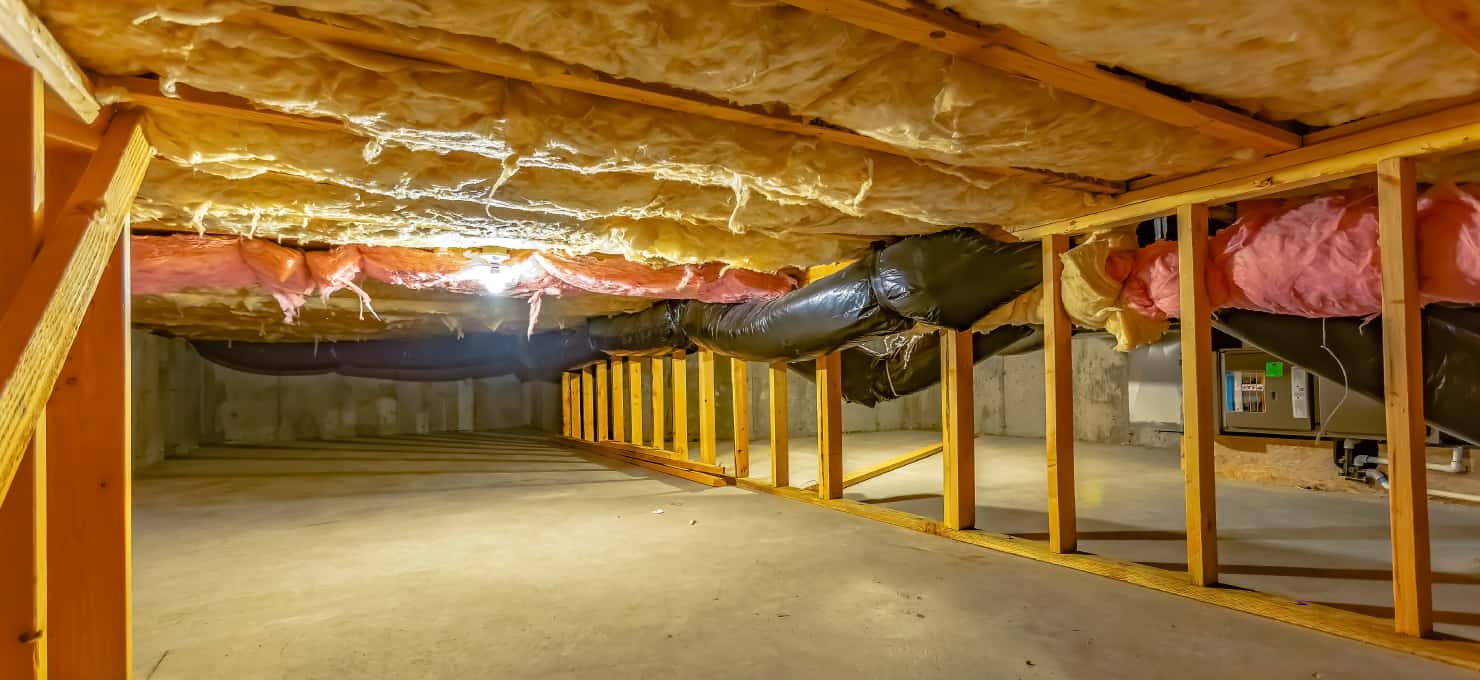
In Western Washington, the crawl space under your house is the single most common place rats set up shop. It's dark, it's usually damp, it's warm compared to a Kent winter, and it's full of gaps a rat can squeeze through. If you're going to stop a rodent problem before it starts, this is the place to focus.
Why crawl spaces are rat magnets here
Our climate does you no favors. Kent and South King County homes tend to have vented crawl spaces that stay humid most of the year, and that moisture draws rodents in the same way it draws carpenter ants. Add in insulation that makes cozy nesting material and easy access from the yard, and you've got close to ideal rat habitat sitting under your living room.
Roof rats — the dominant rat in our area — are also excellent climbers, so they don't just come up from the ground. They travel along fences, tree branches and utility lines and drop onto the house, then work their way in wherever they find a gap.
How they actually get in
A rat can fit through a hole the size of a quarter — about half an inch. The usual entry points on a Kent home are:
- Crawl space vents with damaged or missing screens.
- Gaps where pipes and wiring pass through the foundation.
- The gap under a crawl space access door that no longer seals.
- Foundation cracks and spots where the siding meets the concrete.
- Tree branches or shrubs touching the roofline, giving climbers a bridge.
The frustrating part: you can trap every rat in the crawl space, but if these gaps are still open, new ones move in within weeks. That's why sealing — what the pros call exclusion — is the part that actually solves it.
Warning signs it's already happening
Most homeowners don't go into their crawl space until something's wrong. Check for these instead:
- Scratching or scurrying sounds in the floor, walls or ceiling, especially at night.
- Droppings along walls, near the water heater, or in the garage.
- A musky, ammonia-like smell near crawl space vents.
- Chewed wires, insulation or stored boxes.
- Greasy dark smudge marks along baseboards or foundation edges where rats travel the same path.
Any one of these is worth a look. Two or more, and you very likely have activity under the house.
What you can do yourself
You won't fix an active infestation with a hardware-store trap, but you can make your home a much harder target:
- Cut it off from the yard. Trim tree branches and shrubs back from the roof and walls so climbers lose their bridge.
- Clear the perimeter. Move firewood, yard waste and clutter away from the foundation — that's cover and nesting material.
- Secure food sources. Bird seed, pet food and open compost are all rat buffets.
- Screen your vents. Replace any torn or missing crawl space vent screens with metal (rats chew through plastic).
- Keep the crawl space drier. Fixing drainage and moisture problems makes the space far less inviting.
These steps genuinely reduce your risk. What they don't do is seal the dozens of small structural gaps a rat can use — that's where it's worth bringing in a pro.
When to call a professional
If you're already hearing activity, or you've got droppings and chewing, trapping and DIY sealing usually isn't enough. A professional does two things you can't easily do yourself: a full inspection that finds every entry point (including the ones you'd never think to check), and proper exclusion that closes them with materials rats can't chew through. Many local pros also handle the crawl space cleanup afterward — droppings and ruined insulation aren't something you want to deal with unprotected.
Done right, it's a one-time fix rather than a problem that comes back every fall.
If your crawl space is the issue, see our Kent crawl space rodent exclusion and rat removal pages — or request a free quote and get connected with a local pro who knows Western Washington homes.
Dealing with this yourself?
Describe the problem once and get connected with a local pest-control pro serving your ZIP code. Free, no obligation.
Get a Free Quote